
Biryani is not just rice mixed with spices. It is a method, a rhythm, and a balance of heat, aroma, and patience. After years of cooking for family gatherings and observing large-batch preparations in professional kitchens, one truth stands out: perfect biryani is built layer by layer, not rushed.
If you’ve ever tried making homemade biryani and wondered why it didn’t taste like the one from your favorite outlet, the answer usually lies in technique, not ingredients.
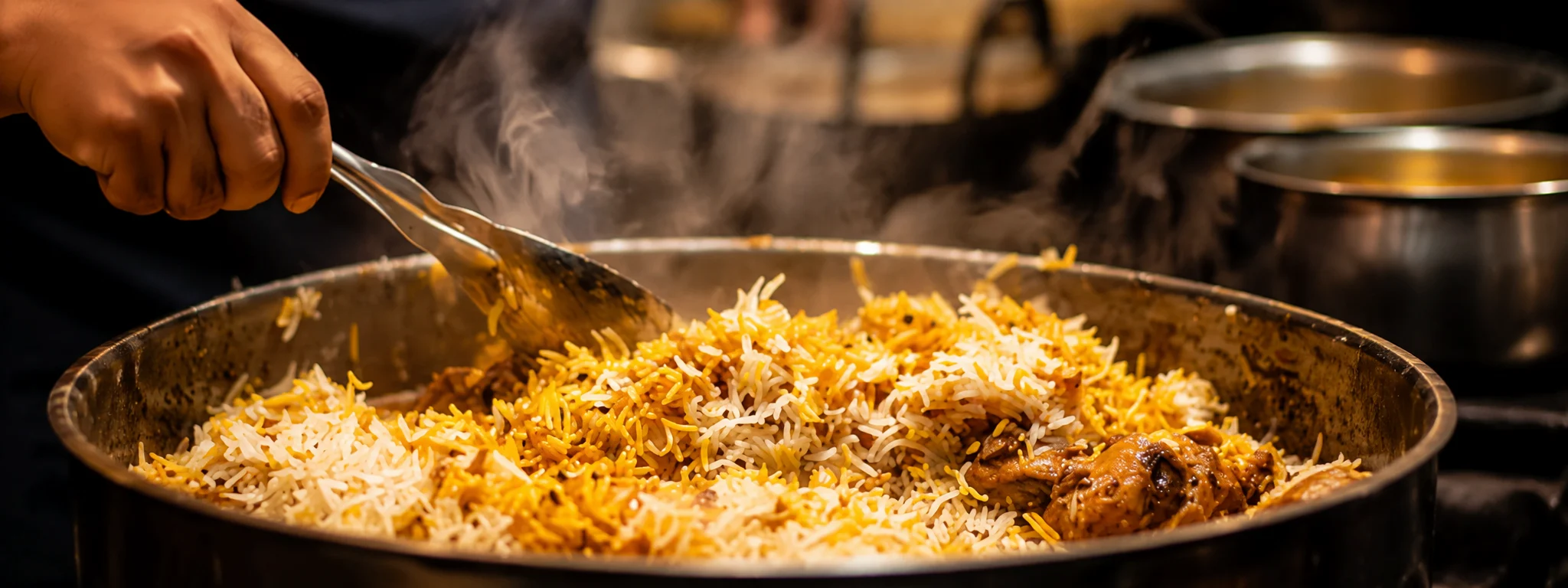
Dum Biryani is all about steam cooking in a sealed environment. Once layered, the pot is tightly covered so the rice and meat cook in their own trapped aroma. This slow heat allows spices to blend naturally instead of tasting sharp or raw.
In a proper dum biryani recipe, focus on three essentials:
Skip one step, and the final texture or flavor will suffer.
Professional results start with smart ingredient choices.
Use aged basmati rice. It cooks longer without breaking and stays fluffy. Wash thoroughly to remove excess starch.
For Hyderabadi chicken biryani, marinate bone-in chicken with yogurt, ginger-garlic paste, turmeric, chili powder, garam masala, lemon juice, and salt. Minimum 3–4 hours. Overnight is ideal.
Cinnamon, cloves, cardamom, and bay leaves release flavor slowly during Dum cooking. Powdered spices alone won’t create the same depth.
Layering is where most people go wrong.
Repeat for larger quantities. Seal tightly and cook on high heat for 5 minutes, then low for 20–25 minutes.
When done correctly, even a simple easy chicken biryani can taste elevated.
Through experience, these are the most frequent issues:
Let the biryani rest for at least 10 minutes after cooking. This final step is crucial for balanced moisture.
A well-made homemade biryani should have separate rice grains, juicy meat, and no soggy base.
In large-scale setups like Tik Tok Biryani, consistency is everything. Bulk cooking demands precise measurements, heavy-bottom vessels, and careful heat management.
Professionals don’t rely on guesswork. They standardize spice ratios and cooking times to maintain flavor in every batch. That discipline is something you can apply in your own kitchen.
If your goal is a restaurant style biryani, focus on:
A spicy chicken biryani should feel bold but balanced. Heat should enhance flavor, not dominate it.
Over time, your instincts improve. The aroma will tell you when the Dum stage is complete. The sound of gentle steam escaping is often a better indicator than a timer.
When done right, your homemade biryani will rival any commercial kitchen — because you control freshness and quality.
Perfect biryani isn’t complicated, but it demands attention. Respect the layering process. Control your heat. Allow steam to do its work.
With practice, Dum cooking becomes intuitive. And once you understand that rhythm, every pot turns from simple rice into a deeply satisfying meal.

© Tik Tok Briyani. All Rights Reserved & designed by -